

Learn how a child occupational therapist supports fine motor skills, self-care, sensory processing and everyday independence through occupational therapy. Children learn important life skills through everyday experiences, from holding a spoon and putting on shoes to drawing pictures, playing with friends and getting ready for school. While many children develop these abilities naturally, some need additional support to perform daily activities comfortably and independently.
A child occupational therapist helps children develop practical skills that support their participation at home, school and during play. Through individualised, age-appropriate activities, occupational therapy for children can support fine motor coordination, self-care, sensory processing and other skills needed for everyday life.
In this blog, we will explore how occupational therapy helps children build independence, why everyday life skills matter and how parents can support their child’s development at home.
What Is a Child Occupational Therapist?
A child occupational therapist, also known as a pediatric occupational therapist, works with children who experience difficulties with activities involved in everyday life.
These activities may include eating, dressing, handwriting, playing, using classroom materials and following daily routines. The therapist evaluates the child’s strengths and challenges to identify which skills may benefit from additional support.
Pediatric occupational therapy is tailored to each child’s developmental level, abilities and individual needs. Sessions may include play-based activities, practical tasks and guided practice that help children work towards meaningful goals.
The purpose of occupational therapy is not to make every child perform tasks in exactly the same way, but to help each child participate as independently as possible.
1. Developing Fine Motor Skills
Fine motor skills involve the small movements of the hands and fingers. Children use these skills when holding a pencil, picking up small objects, turning pages, using utensils or fastening buttons.
Some children may find these activities challenging because they have difficulty with hand control, coordination or the movements required to complete a task.
A child occupational therapist may introduce activities such as:
- Playing with building blocks.
- Completing age-appropriate puzzles.
- Drawing, colouring and tracing shapes.
- Picking up and sorting small objects safely.
- Practising hand movements used during dressing and eating.
These activities provide opportunities to practise the skills needed for handwriting, drawing, self-care and classroom participation.
2. Improving Self-Care and Daily Living Skills
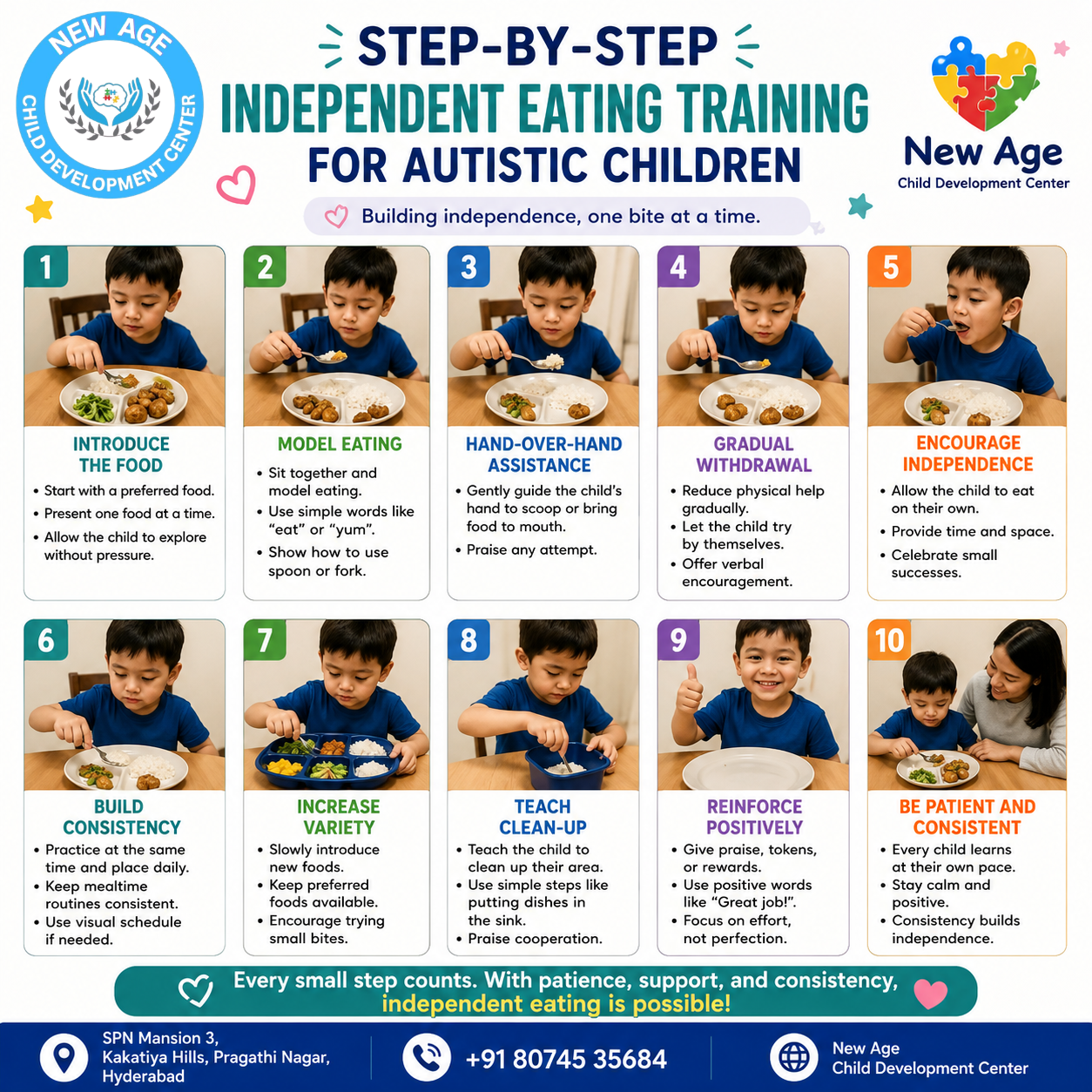
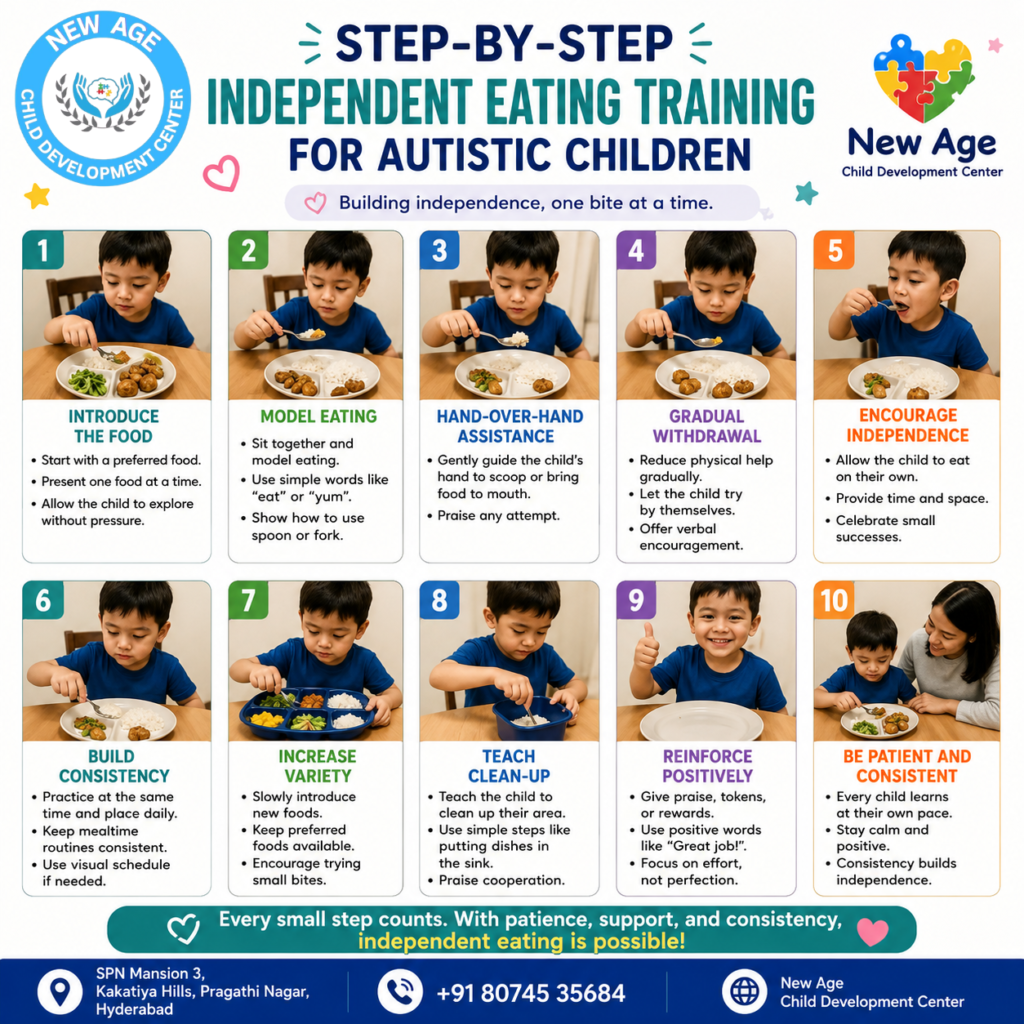
Everyday activities help children develop independence and confidence. However, tasks such as dressing, brushing teeth or eating with utensils may require additional practice for some children.
Occupational therapy for daily living skills may help children learn these activities in manageable steps.
For example, a child who struggles to put on a shirt may practise identifying the front and back, finding the sleeves and pulling the shirt into position. The therapist can adapt the task to the child’s abilities and gradually reduce assistance as appropriate.
Other daily living skills may include:
- Putting on and removing clothes.
- Using a spoon or fork.
- Managing buttons and zippers.
- Organising school bags and personal belongings.
- Participating in appropriate hygiene routines.
Small achievements in daily routines can make a meaningful difference to a child’s confidence and participation.
3. Supporting Sensory Processing
Children experience the world through sensory information, including sounds, textures, movement, light and touch. Some children respond differently to these experiences, which may affect their participation in everyday activities.
For example, a child may find a noisy classroom uncomfortable or struggle with certain clothing textures. Another child may seek movement frequently or find it difficult to remain comfortable during particular activities.
Depending on the child’s needs, sensory processing support may form part of occupational therapy. A qualified therapist can assess the child’s difficulties and recommend appropriate strategies or activities.
These may include adapting the environment, introducing predictable routines or helping the child participate more comfortably in daily tasks.
Sensory strategies should be selected individually rather than assuming that the same activities will help every child.
4. Building Handwriting and School Readiness Skills
School activities require children to use several skills together, including hand control, visual coordination, posture and the ability to handle classroom materials.
Children who struggle with pencil grip, cutting with scissors, drawing shapes or organising their school materials may benefit from an assessment.
Occupational therapy for school readiness may support the skills needed for classroom participation through activities such as:
- Practising pencil control and age-appropriate drawing.
- Building hand-eye coordination.
- Using classroom tools safely.
- Developing appropriate sitting and working routines.
- Practising the movements involved in writing.
Occupational therapy can support the physical and functional aspects of school activities. Children who have difficulties understanding reading, writing or mathematics may also need specialised educational assessment and instruction.
5. Improving Coordination and Play Skills
Play gives children opportunities to explore their environment, solve problems and practise new movements. Activities such as building towers, throwing and catching a ball, completing puzzles and playing with age-appropriate toys involve different coordination skills.
A pediatric occupational therapist may use play-based activities to help children practise the movements and functional skills needed for their daily activities.
Depending on the child’s needs, sessions may focus on hand-eye coordination, body awareness, using both hands together or participating in age-appropriate play.
The activities should be enjoyable, safe and suited to the child’s abilities.
6. Supporting Children with Autism and Developmental Delays
Some children with autism spectrum disorder (ASD) or other developmental differences may need additional support with sensory processing, self-care, motor coordination or everyday routines.
Occupational therapy for children with autism may focus on meaningful goals such as participating in dressing routines, using everyday objects, engaging in preferred activities and adapting tasks to the child’s needs.
For children with developmental delays, the therapist may break activities into smaller steps and provide opportunities for repeated practice.
The approach should respect the child’s communication style, preferences and sensory needs while supporting their comfort, independence and participation.
How Parents Can Support Everyday Life Skills at Home
Parents play an important role in helping children practise the skills they are learning. Everyday routines provide natural opportunities to build independence without turning each activity into a formal lesson.
Here are some practical ways parents can help:
Encourage participation: Let your child try age-appropriate tasks, even if they need extra time or some assistance.
Break activities into small steps: Teach one part of a task at a time before combining the steps.
Use play-based learning: Drawing, puzzles, blocks and other suitable activities can provide opportunities to practise useful skills.
Keep routines predictable: Familiar steps can help children understand what happens next.
Recognise effort: Encourage your child’s attempts and celebrate progress rather than expecting perfection.
Follow professional advice: Ask your occupational therapist which activities are appropriate for your child’s individual needs.
Consistency, patience and encouragement can help children practise skills in a supportive environment.
When Should Parents Consult a Child Occupational Therapist?
Children develop at different rates, and occasional difficulty with a new task is common. However, parents may consider professional guidance when challenges persist or significantly affect everyday participation.
You may wish to consult a qualified child occupational therapist if your child regularly struggles with:
- Holding crayons or handling small objects.
- Dressing or participating in age-appropriate self-care.
- Using classroom tools or completing motor-based tasks.
- Coordinating movements during play.
- Managing sensory experiences that interfere with daily activities.
- Participating in familiar routines independently.
These difficulties do not automatically mean that occupational therapy is necessary. An assessment can help identify the child’s needs and determine whether occupational therapy or another form of support may be appropriate.
How Occupational Therapy Supports Long-Term Independence
The goal of occupational therapy for children is to help children participate in activities that are meaningful to them and their families.
Progress may involve learning to hold a spoon, manage clothing, participate in classroom activities or complete a familiar routine with less assistance. The skills developed and the time required vary from child to child.
Parents can ask their therapist about the goals being addressed, how progress will be reviewed and which activities can be practised safely at home.
A collaborative approach between parents and professionals helps keep therapy goals relevant to the child’s everyday life.
Conclusion
Everyday life skills are an important part of a child’s growth and independence. From holding a pencil and using utensils to dressing and participating in school activities, children develop these abilities through practice, encouragement and appropriate support.
A child occupational therapist can help identify areas where a child may need assistance and develop individualised strategies to support meaningful daily activities. With family involvement and suitable professional guidance, children can work towards greater confidence and independence at their own pace.
If you have concerns about your child’s motor skills, sensory needs or daily living activities, consider consulting a qualified professional to discuss the next steps.